
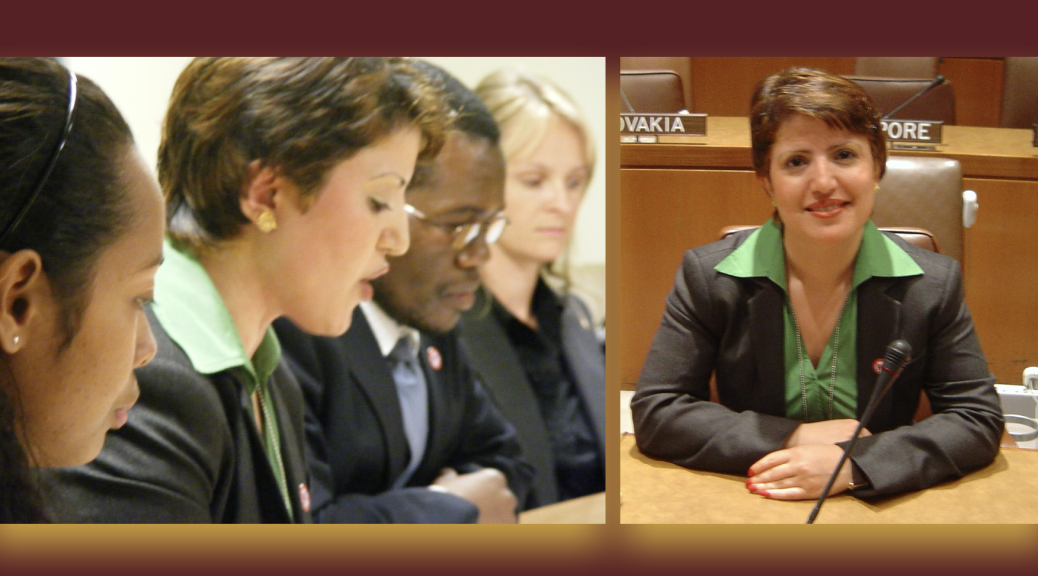
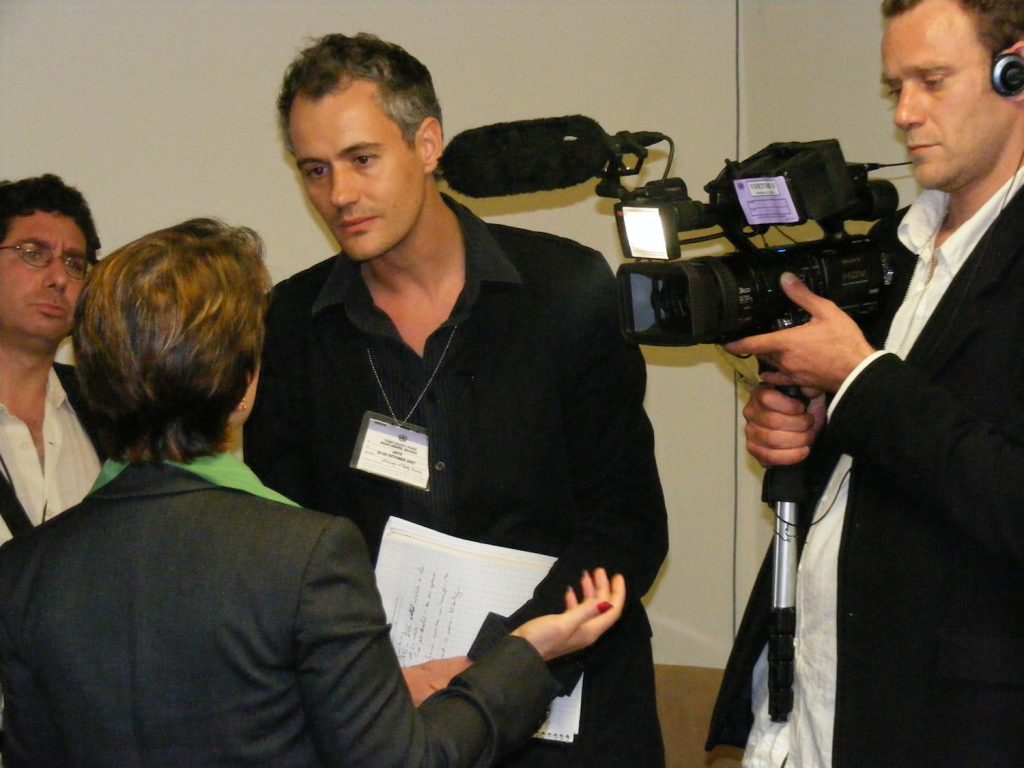
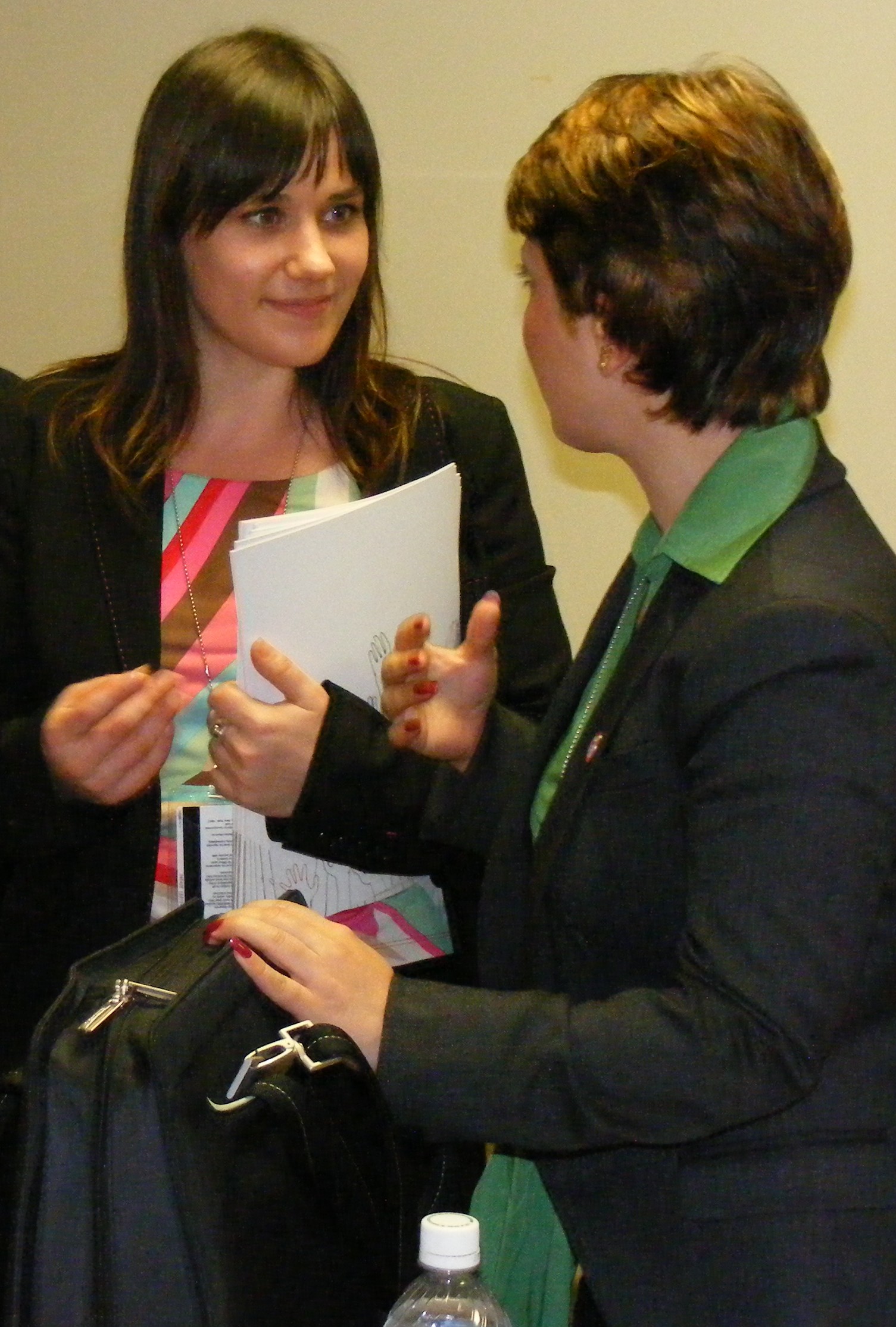
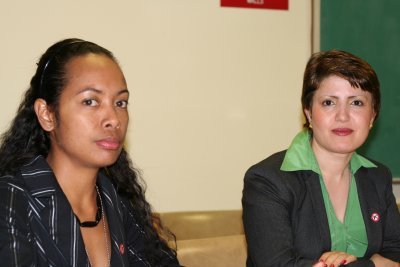
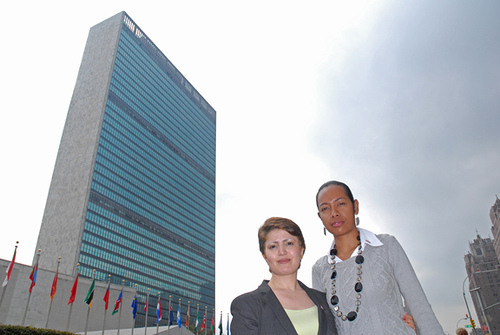
Dr. Widad Akreyi, the solo driving force behind Defend International’s current trajectory, attended the United Nations 62th General Assembly in New York. She took part in numerous bilateral and multilateral meetings with government delegates as part of her participation in the UN First Committee.
Defend International Advances Arms Control Frameworks at the United Nations 62nd General Assembly
Diplomatic Mission: Defend International Addresses UN First Committee
During the 62nd United Nations General Assembly in New York, Dr. Widad Akreyi, the anchoring force behind Defend International since day one, conducted extensive bilateral meetings with global delegates to build political momentum for an international, legally binding Arms Trade Treaty (ATT).
Illicit trafficking in small arms cannot be addressed unilaterally. Civilians around the globe continue to endure severe devastation from the unregulated misuse of conventional weaponry.
— Dr. Widad Akreyi, Addressing the United Nations
Treaty Framework Progress: The diplomatic push successfully contributed to the consensus adoption of crucial international security resolutions, standardizing transparency parameters for global arms transfers and dual-use technologies.
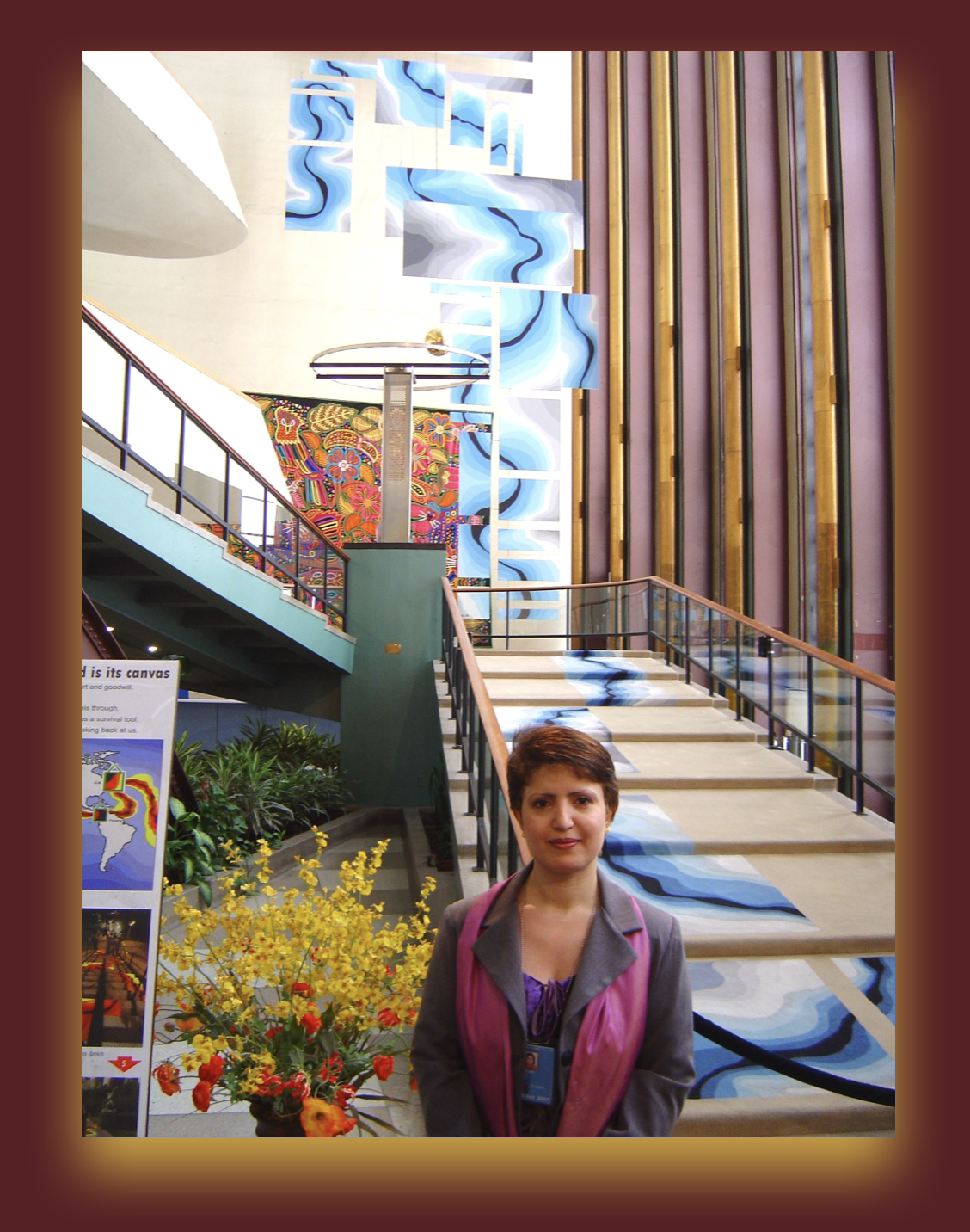
NEW YORK — Defend International key founder Dr. Widad Akreyi engaged in a series of strategic bilateral meetings with government delegates, international diplomats, and civil society partners as part of her official participation in the United Nations First Committee on Disarmament and International Security.
Background & Strategic Objectives
The First Committee of the UN General Assembly meets annually in October, following the General Debate, to address global security threats. Defend International joined international coalitions to advocate for an immediate end to the illicit proliferation and misuse of Small Arms and Light Weapons (SALW).
Defend International remains dedicated to mitigating global armed violence by promoting legally binding international treaties, standardizing weapons export controls, and establishing comprehensive safeguards. Representing civil society—with a specialized focus on the Middle East and North Africa (MENA) region—DI continues to champion strategic policies that protect and empower highly vulnerable populations worldwide.
High-Level Diplomatic Engagements & Side Events
Dr. Akreyi’s UN mission included extensive multi-regional consultations spanning delegates from Europe, North Africa, the Middle East, and the Americas. Key multilateral events included:
- The Finnish Mission Bilateral Consultation: A high-level assembly hosted by the co-authors of the Arms Trade Treaty (ATT) resolution—including the ambassadors of Finland, Argentina, Australia, Costa Rica, Japan, Kenya, and the United Kingdom—attended by diplomatic delegations from Egypt, Morocco, Yemen, India, France, South Africa, Colombia, and the Netherlands, among others.
- The Global People’s Consultation: An international forum urging member states to reach an immediate consensus on an effective, comprehensive ATT framework.
- The NGO ATT Steering Committee & Control Arms Forum: A specialized session titled “What States Want,” evaluating the formal submissions of 97 member states to UN Secretary-General Ban Ki-moon regarding the feasibility and scope of a global ATT.
Plenary Address to the UN First Committee
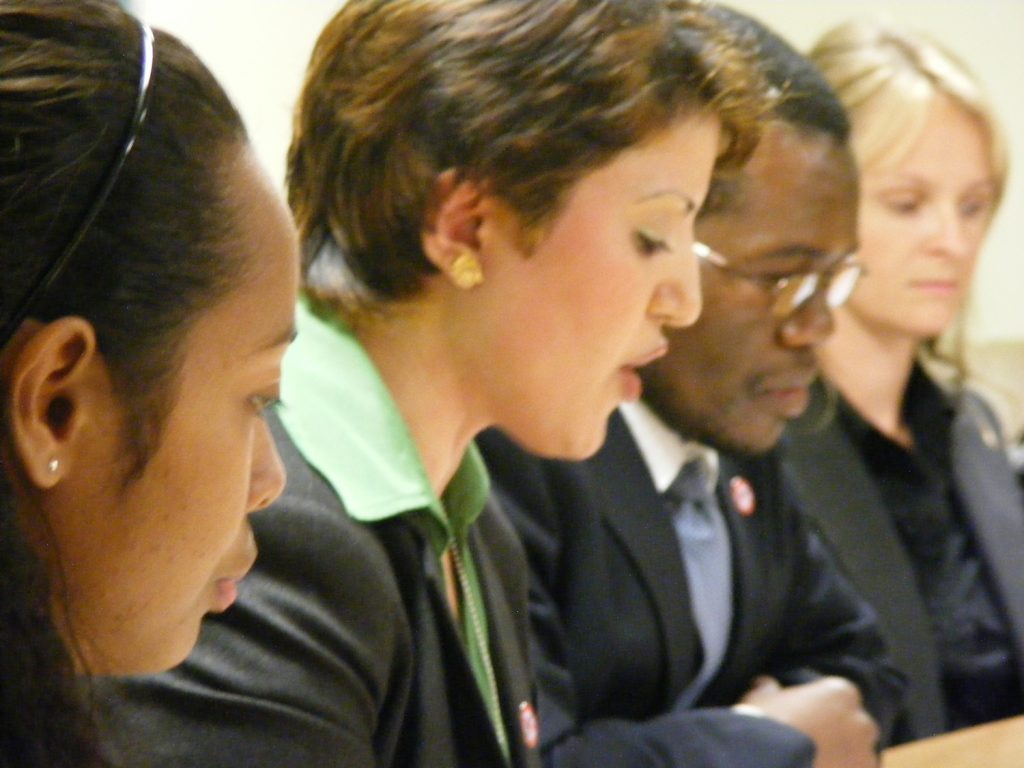
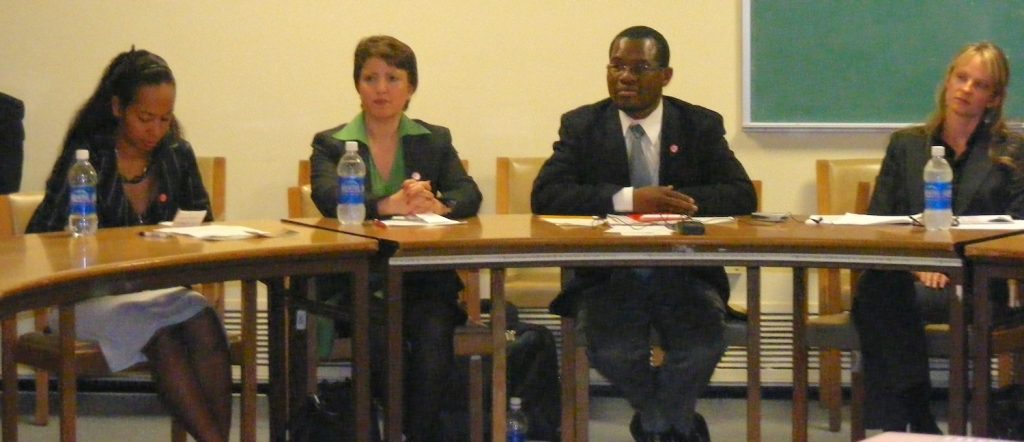
On 22 October 2007, Dr. Widad Akreyi delivered a formal address before the UN First Committee on Disarmament and International Security. Drawing upon her extensive field experience as a human rights defender, Dr. Akreyi detailed the catastrophic humanitarian toll and systemic societal trauma inflicted by the unregulated misuse of conventional arms.
In her address, Dr. Akreyi emphasized that “illicit trafficking in small arms cannot be addressed unilaterally,”delivering a decisive call for an encompassing international Arms Trade Treaty. The historic address drew widespread international press coverage, recorded by global networks including Al Jazeera English, Arte, and the Control Arms media team.
Key Security Resolutions Adopted
Following the sessions, the First Committee advanced several critical security frameworks by total consensus (without vote):
- The Omnibus Resolution: Addressing the illicit trade in small arms and light weapons in all its structural aspects.
- Draft Resolution XVII: Directing operational assistance to member states for curbing the illicit traffic, cross-border movement, and systemic collection of small arms.
- National Legislation on Arms Transfers: Endorsing General Assembly Resolution 60/69, which mandates the voluntary transparency of state regulations governing the transfer of conventional military equipment and dual-use technologies. In its resolution 60/69 of 8 December 2005, the General Assembly encouraged Member States to provide, on a voluntary basis, information to the Secretary-General on their national legislation, regulations and procedures on the transfer of arms, military equipment and dual-use goods and technology, as well as the changes therein, and requested the Secretary-General to make this information accessible to Member States.
- MANPADS Prevention Framework: A binding resolution focused on preventing the illicit transfer, unauthorized access, and proliferation of Man-portable Air Defence Systems. Adopted with consensus.


Defend International
UN General Assembly
New York City
October 2007