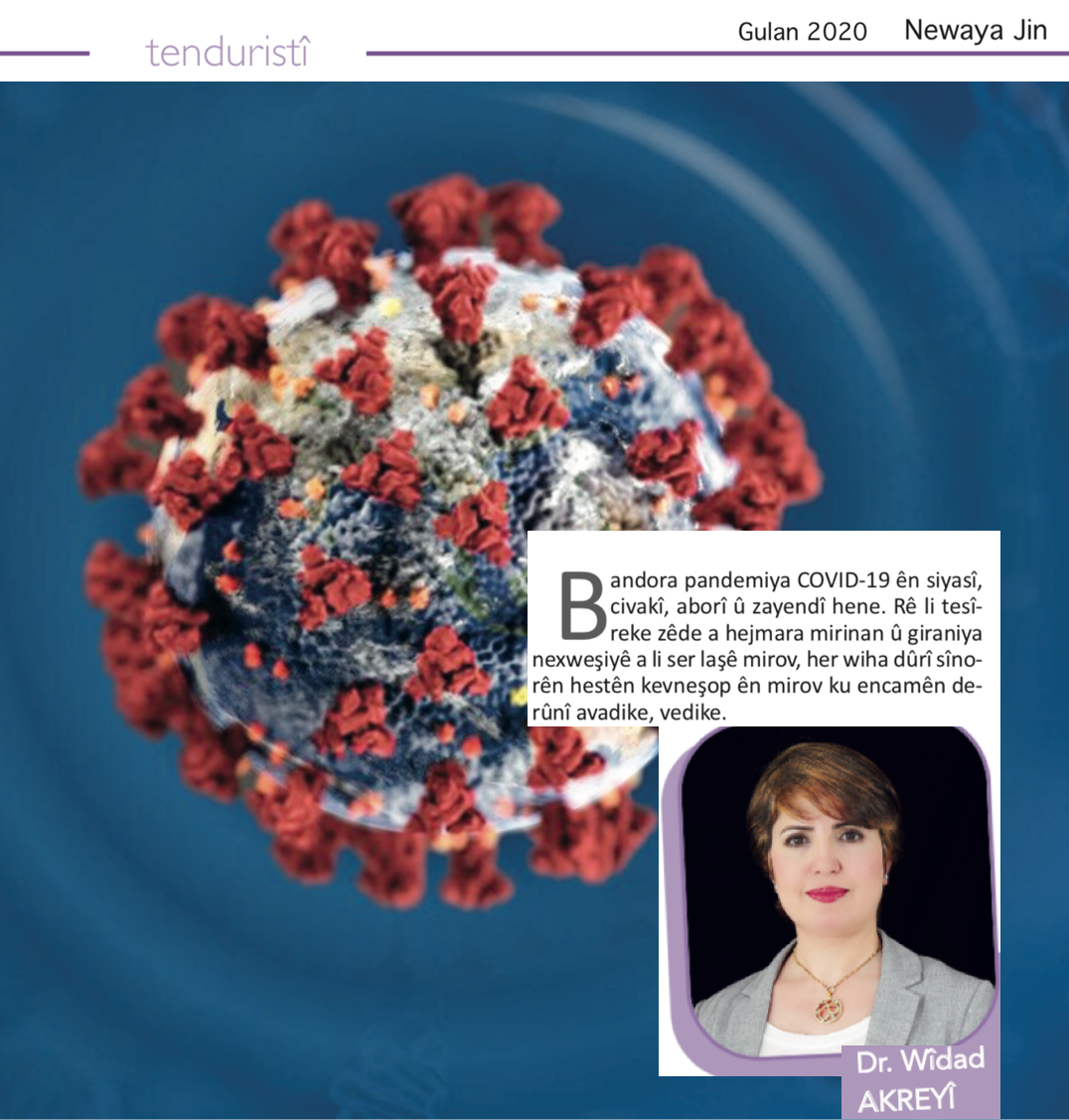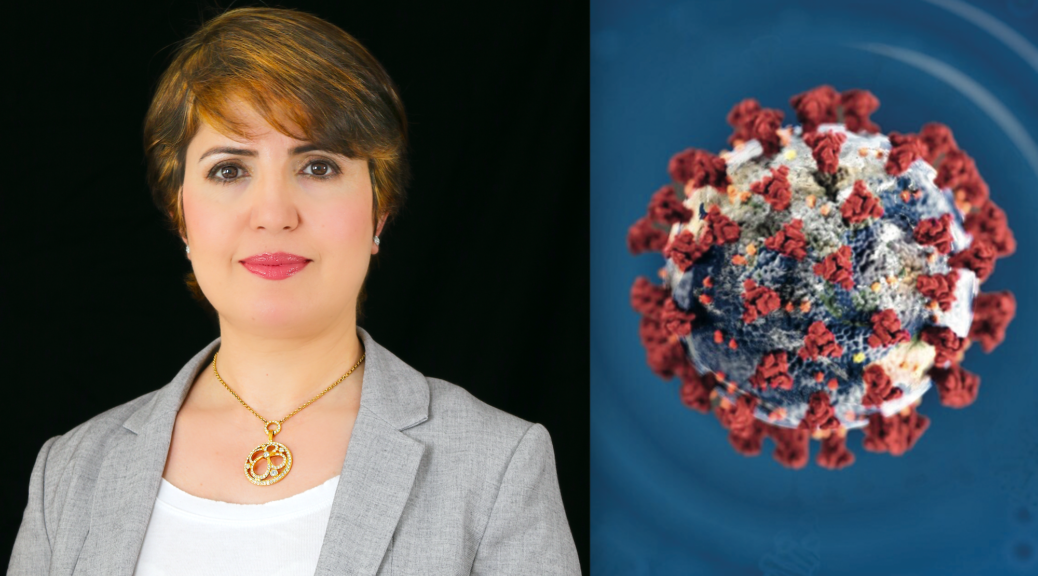
Anatomy of a Crisis: Dr. Widad Akreyi Dissects the Global Trajectory of the COVID-19 Pandemic
Dr. Widad Akreyi, the principal founder leading Defend International today, has published a comprehensive global health assessment in the Netherlands-based international journal Women Generation, detailing the systemic vulnerabilities exposed during the initial phases of the COVID-19 crisis. Integrating baseline public health diplomacy with rigorous molecular surveillance models, the analysis frames the pandemic as a multi-dimensional crisis carrying deep geopolitical, macroeconomic, sociological, and human rights implications.
The COVID-19 pandemic is a global, multidimensional public health concern with political, social, economic, and gender implications. This is a crisis like no other. It is a formidable challenge for all humanity and must be addressed as such.
Epidemiological Surveillance and Clinical Indicators: Dr. Akreyi reinforces that comprehensive identification, rapid isolation, and systematic contact tracing remain the non-negotiable cornerstones of containing highly contagious respiratory pathogens spreading via aerosol droplets and contaminated fomites. Long-term pandemic mitigation must rest upon equitable global access to verified diagnostics, vaccines, and affordable therapeutics, backed by the transparent cross-border sharing of real-time epidemiological metrics.
Societal Shocks and Vulnerable Populations: The publication traces how severe lockdown regimes altered global societal infrastructures, driving heavy disruptions across employment, mental health, and higher education. Crucially, the text shines a spotlight on the catastrophic risks faced by forcibly displaced persons, refugees, and populations trapped within active conflict corridors who are left entirely without baseline medical care or life-saving humanitarian assistance.
Gender Dynamics and Executive Governance: The research details the severe escalation of domestic violence triggered by systemic socioeconomic stressors, calling for proactive policy actions to safeguard victims. Concurrently, the text notes that nations and territories led by female executives earned global praise for successfully deploying a precautionary approach that fused rigorous scientific precaution with decisive infrastructure management.
Geopolitical Strain and Human Rights Deficits: A critical warning within the text addresses the long-term regional stability of fragile countries across the Middle East, Africa, and Asia. Dr. Akreyi details how autocratic regimes weaponize public health emergencies as cover to enact sweeping power grabs, rule by decree without judicial oversight, and target minorities under the guise of emergency anti-terror legislation.
Macroeconomic Shockwaves and the Future of Alliances: On a wider systemic level, the pandemic severely tested international collaboration, exposing deep fractures in regional solidarity as blocks like the European Union struggled to coordinate burden-sharing. Dr. Akreyi predicts that this structural failure may signal a long-term post-COVID shift away from globalization, driving nations toward political fragmentation, supply-line protectionism, and decentralized crisis management.
Global leadership and massive cooperation are needed to curb a pandemic that knows no borders. Governments must develop public health responses based on the principles of justice and respect for human rights. Human safety and the protection of the most vulnerable must be the priority.